
At a glance
- Start with your cash flow. Map when money enters and leaves your business, then choose funding that matches the gaps.
- Use a business loan for a planned, one-off investment or a line of credit for ongoing cash flow needs.
- Time funding around your cash flow cycle and choose a lender whose approval speed matches your urgency.
When you’re running a small business, finding the right funding can feel like one more thing on a list that never ends, but it doesn’t have to be complicated. The key is understanding your options and matching them to what your business needs right now.
The most effective funding strategies start with your cash flow: when money comes in, when it goes out, and the gaps in between. This guide walks through how to build a funding strategy around your cash flow reality, choose the right type of funding, and find a lender that matches your stage and timeline.
Building your funding strategy around cash flow
The best funding strategy isn’t about picking a product. It’s about understanding your cash flow and matching the right funding to what’s actually happening in your business. Here are four strategies to help you think it through.
Strategy 1: Match the funding to the purpose
Start by asking what the money is for. A one-off investment, like new equipment, a vehicle, or a fit-out, can suit a business loan because you know the amount and can plan repayments around it. An ongoing need, like covering gaps between invoicing and payment, or stocking up before a busy season, can suit a line of credit because you only draw what you need, when you need it.
Think about your industry and its rhythm. A retailer might need stock funding ahead of the Christmas rush, then repay as sales come in. A tradie might need equipment for a big job, then repay over the project timeline. The purpose should drive the structure.
Strategy 2: Time your funding to your cash flow cycle
Every business has a cash flow cycle: money goes out before it comes back in. The question is where the gaps are. A hospitality venue pays for produce and staff rosters before the weekend rush brings the takings in. A professional services firm bills clients at month end but pays staff fortnightly, so there is a gap between wages going out and invoices being settled. A manufacturer orders raw materials upfront, then waits weeks for finished goods to sell. In each case, a line of credit can help bridge the gap without taking on a full loan.
If you have a predictable cycle, like a building business that is busy in the warmer months and quieter in winter, you can time a loan drawdown to your peak revenue period so repayments align with when money is flowing in.
Map out when money typically comes in and goes out across a typical month or quarter. The pattern will tell you whether you need a lump sum or ongoing access.
Strategy 3: Align speed with urgency
How fast do you need the money? If an opportunity or expense is weeks away, a traditional bank may offer competitive rates and you have time to work through a longer application. If you need funds in hours or days, such as an urgent equipment repair, a time-sensitive stock purchase, or a deposit on a new lease, a specialist online lender like Prospa can move faster. The right strategy matches the lender’s speed to how quickly you actually need to act.
Strategy 4: Match eligibility to your business stage
Your trading history and turnover determine which lenders will look at you. If you’ve been trading for 6 months, some banks won’t consider you yet, but specialist lenders like Prospa will, with a minimum turnover of $6,000 per month. If you have a longer trading history and stronger turnover, more options open up. Consider both these factors before applying to save yourself time.
Accessible funding options for small businesses
These four strategies give you a framework for deciding what kind of funding you need. The next step is knowing where to find it and how to apply.
What are the simple ways to get funding for your small business?
Australian small business owners have several pathways to secure funding, and each one connects back to your strategy:
- Traditional banks offer business loans with competitive rates, but the application process can take weeks and often requires extensive documentation and security. If speed isn’t critical and you have the trading history and turnover banks look for, this pathway may suit your business.
- Government resources, such as business.gov.au, provide information on grants and funding programs that may suit specific industries or regions. These can be worth checking alongside your other options, especially if your strategy points to a specific purpose or industry.
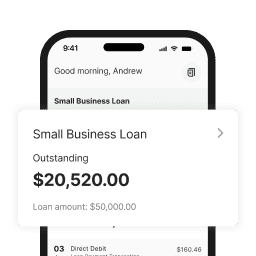
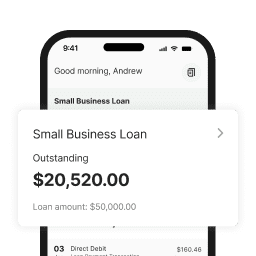
- Specialist online lenders focus on speed and simplicity. If you’ve identified a one-off investment or an ongoing cash flow need, and speed matters, a specialist lender can move quickly. Prospa offers loans from $5,000 to $1 million across its Small Business Loan and Business Loan Plus, with funding possible in 24 hours, requiring 6 months of trading and $6,000 monthly turnover, and no upfront security required up to $150,000.
To get funding for your business, evaluate your specific cash flow needs and the speed of the application process. Are you covering a short-term cash flow gap, or are you investing in something specific like new equipment or a fit-out? Understanding the purpose helps you choose the right type of funding and the right amount to borrow.
How to apply for business funding
The application process varies by lender but for most online lenders, like Prospa, it follows a similar pattern:
- Check your eligibility. Many lenders let you see if you prequalify in minutes, without a credit check. This gives you an indication of what you may be able to borrow before you commit to a full application. Seeing what you prequalify for is an indication only, and the lender assesses your business before granting full approval.
- Apply online. Applications typically take 5 to 15 minutes with minimal paperwork. For loans up to $250,000, you usually need your driver licence number, your Australian Business Number (ABN), and your bank account details.
- Get a decision and access your funds. Decision times vary by lender. Specialist online lenders can often provide a decision within 24 hours, and depending on the lender and your circumstances, you could access funding on the same day or within one business day of approval.
Prospa loan amounts and eligibility
Prospa offers three funding options for Australian small businesses:
- Small Business Loan. $5,000-$500,000, with repayment terms up to 5 years and fixed rates. No upfront security required up to $150,000.
- Business Loan Plus. $500,000-$1,000,000 for larger growth investments. Security may be required for amounts over $500,000.
- Business Line of Credit. Up to $500,000, with ongoing access to funds as you need them.
Eligibility for a Prospa Small Business Loan requires at least 6 months of trading history and a minimum monthly turnover of $6,000. For a Business Line of Credit, the minimum trading history is 2 years. Business owners must be 18 or over and an Australian citizen or permanent resident.
Comparing business loans and lines of credit
Your strategy tells you what you need the funding for and when. This section helps you match that to the right product.
Both a term loan and a line of credit are important sources of funds for a business, but they work in different ways and serve different growth stages. The right choice depends on your cash flow: when money comes in, when it goes out, and what you need the funding to cover.
How does a line of credit differ from a standard business loan for growth?
A business loan gives you a fixed amount of money upfront, which you repay over a set term with regular repayments. The lender agrees the repayment amount and schedule at the start, so you know exactly what to budget for.
A business loan is typically best for specific, one-off capital investments that drive growth, such as purchasing equipment, fitting out a new premises, or funding an expansion. Because you receive the full amount at once and repay it on a fixed schedule, it suits situations where you know how much you need and when you need it. This is the product that generally fits when your purpose is a single, planned investment.
A line of credit gives you ongoing access to a set amount of funds. You can drawdown what you need, when you need it, and only pay interest on the amount you use. As you repay what you’ve drawn, those funds become available again – find out more about how a business line of credit works in our guide. This helps simplify things when managing working capital needs as they arise. This is the product that generally fits when your cash flow cycle has gaps that rise and fall over time.
Business owners often use a line of credit for ongoing operational expenses, such as managing cash flow gaps, paying staff wages, covering unpaid invoices, or buying stock during seasonal peaks. A manufacturer might draw on it to cover raw materials while waiting for finished goods to sell. A hospitality venue might use it to bridge the gap between paying weekly wages and the weekend takings coming in. You stay in control, with flexibility to respond to needs as they arise, rather than planning for a single purchase.
In short, a business loan supports growth through a specific, planned investment, while a line of credit supports growth by giving you flexible access to working capital whenever opportunities or needs arise.
How to choose between a business loan or business line of credit?
When deciding between a business loan or business line of credit, your funding strategy gives you a framework for choosing:
- Is this a one-off investment, or do you need ongoing access to funds?
- Repayment structure. Do you prefer fixed repayments over a set term, or flexible repayments based on what you’ve drawn?
- With a loan, the lender charges interest on the full amount from the start. With a line of credit, you only pay interest on the funds you use.
Find out more about choosing between a business loan and line of credit in our guide.
Where to from here
The right funding strategy comes down to understanding your cash flow and matching the right funding to what your business actually needs. Your strategy tells you the purpose, the timing, the speed, and the lender stage that fits. The product you choose, whether a business loan for a specific investment or a line of credit for ongoing flexibility, should follow from that strategy, not lead it.
Prospa offers both options, designed to support your business. You can check your eligibility in minutes, or speak to a Prospa lending specialist.