
At a glance
- A card issuer can add a foreign transaction fee when you make a payment overseas or in a foreign currency.
- A merchant surcharge, foreign transaction fee and currency-conversion rate are three different costs.
- The Prospa Visa Business Debit Card has no foreign transaction fee.
When you pay an overseas supplier or subscribe to a software tool billed in U.S. dollars, a foreign transaction fee can quietly appear on your statement. It is small, it is easy to miss, and over a year of international spending it can add up to real money leaving your business.
Understanding how this fee works, where it comes from, and how it differs from other charges helps you make smarter choices about how you pay overseas.
What is a foreign transaction fee?
A foreign transaction fee is a charge that a card issuer, such as a bank or financial institution, may add when you use your card for a transaction in a foreign currency or process it through an overseas bank. It is usually a percentage of the transaction amount, often around 1–3%.
The card issuer sets the fee, not the merchant you are paying. That means two people buying the same item from the same overseas supplier could pay different amounts in fees, simply because their cards come from different providers.
Not every card charges this fee. Some business debit cards waive it entirely. The Prospa Visa Business Debit Card does not charge a foreign transaction fee.
When does it apply?
A foreign transaction fee can apply in more situations than you might expect. The most common triggers include:
- Paying an overseas supplier who prices in their local currency
- Subscribing to software, cloud hosting, or online tools billed in U.S. dollars or another foreign currency
- Hiring freelancers or contractors through international platforms
- Making in-person purchases while travelling overseas for business
The fee can apply even if you are sitting at your desk in Australia. If a foreign bank processes the transaction, or the merchant bills you in a currency other than Australian dollars, the fee may still apply.
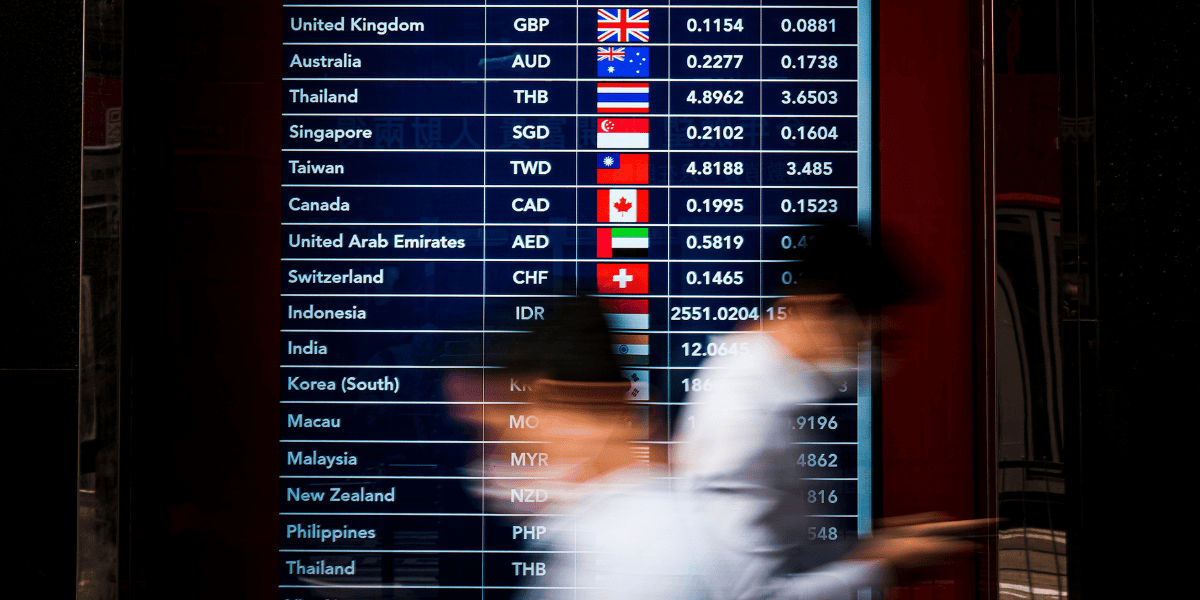
Foreign transaction fee vs exchange rate vs surcharge
These three terms often get used interchangeably, but they refer to different parts of the cost of paying overseas.
- Foreign transaction fee – a charge added by your card issuer, usually a percentage of the transaction
- Exchange rate – the rate at which one currency converts to another. Card networks like Visa set the rate used for card transactions at the time the transaction settles
- Merchant surcharge – a fee added by the business you are paying for the cost of accepting card payments
You could encounter any or all of these on a single overseas purchase. A supplier might add a surcharge for card payment, your card issuer might add a foreign transaction fee, and the exchange rate determines how many Australian dollars the transaction ultimately costs.
Is a foreign transaction fee the same as an international transaction fee?
The short answer is that the two terms are often used to describe the same thing, but not always.
Some card issuers use “international transaction fee” to refer to any transaction processed through an overseas bank, even if it is billed in Australian dollars. Others use it to mean the same as a foreign transaction fee – a charge for transacting in a foreign currency.
Because the definitions vary between providers, the best approach is to check your card’s terms or ask your issuer directly. Ask specifically whether the fee applies to transactions in foreign currencies, transactions processed overseas, or both.
What changes on 1 October 2026?
From 1 October 2026, new rules from the Reserve Bank of Australia (RBA) take effect that change how card surcharges work in Australia. The card networks, including Visa, Mastercard, eftpos, and American Express, are introducing “no surcharge” rules that prevent businesses from adding a surcharge to card payments.
This change applies to merchant surcharges – the fees a business adds when you pay by card. It does not directly change foreign transaction fees, which card issuers set rather than merchants.
So while you may see fewer surcharges on card payments after 1 October 2026, a foreign transaction fee from your card issuer could still apply unless your card specifically waives it. The Prospa Visa Business Debit Card charges no foreign transaction fee on card payments, so you avoid that cost regardless of the surcharge changes.
How the Prospa Visa Business Debit Card works
The Prospa Visa Business Debit Card is linked to your Prospa Business Account, which holds Australian dollars. When you make a card payment in a foreign currency, the transaction converts to Australian dollars (AUD) at Visa’s exchange rate at settlement. There is no foreign transaction fee added on top for card payments.
This means you can pay overseas merchants, subscribe to international software, and cover online services without an extra percentage fee added by the card issuer. The exchange rate still applies – that is the cost of converting one currency to another – but the issuer fee that many other cards charge is not there.
Choosing local currency at an overseas terminal
When you pay at an overseas terminal or an online checkout, the terminal or checkout may offer you a choice: pay in the local currency or pay in Australian dollars. This is called dynamic currency conversion (DCC).
It may be better to choose the local currency, but always check what works best for your business and relevant payments. Here is why:
- When you choose local currency, the conversion happens through the card network, such as Visa, at their rate
- When you choose Australian dollars, the merchant’s payment provider does the conversion, and they may apply a less favourable rate or add their own margin
The same logic applies to online checkouts. If a U.S.-based software provider offers to show you the price in Australian dollars (AUD) at checkout, choosing to pay in U.S. dollars instead usually gives you a cleaner exchange rate through the card network.