
Growth does not have to happen all at once. Learn how successful businesses grow in stages, prioritise opportunities, and build momentum over time.
At a glance
- Growth does not require the full budget, team, or solution before you begin.
- Staged growth helps you manage risk, preserve cash flow, and stay flexible.
- A simple framework can help you decide which opportunity to act on first.
You have a clear vision for where your business could go, but the full plan feels out of reach right now. Maybe the budget does not stretch far enough, or the timing is not quite right for a big move. The good news is that most successful businesses do not grow all at once. They grow in stages, tackling the highest-impact opportunities first, learning as they go, and building momentum over time.
The myth of all-or-nothing growth
Many business owners believe they need the full budget, the complete team, or the perfect solution in place before they can move forward. This thinking can keep good ideas stuck on the shelf.
Successful businesses rarely expand in one bold leap. They take smaller, deliberate steps that move them closer to their goal. A cafe does not open three locations on day one. A tradie does not buy a fleet of vehicles before the first job is booked. They start with what they can manage, prove the concept, and build from there.
Staged growth lets you make progress with what you have right now.
Why businesses grow in stages
Growing in stages is a practical way to manage risk and make smarter decisions. Here is why it works:
- Reduces risk: Smaller steps mean smaller bets. If something does not work, you have less to lose and more room to adjust.
- Preserves cash flow: You spread your investment over time, which keeps money available for day-to-day operations and unexpected costs.
- Allows you to learn and adapt: Each stage teaches you what works, so the next step is more informed.
- Creates flexibility: When you grow gradually, you can change direction without unwinding a massive commitment.
- Builds confidence: Early wins give you the evidence and momentum to take on bigger investments later.
Examples of staged growth
The pattern is the same across industries: start small, prove the value, then expand.
- Retail: A shop adds a new product line online before committing to a second store, testing demand without the cost of a lease.
- Hospitality: A venue refreshes one area at a time rather than closing for a full renovation.
- Trades: A tradie buys one new piece of equipment or vehicle, takes on more work, and reinvests the returns before expanding further.
- Professional services: A firm hires one specialist role first, confirms the demand, and then builds a larger team around that capability.
Each business moves forward with the resources it has and scales up as the results come in. These examples are indicative only and are general information, not financial advice. Your own numbers will depend on your own business situation.
Prioritising opportunities
When you cannot do everything at once, you need a way to decide what to do first. This simple framework can help:
- What will create the biggest impact? Look for the change that matters most to your customers or your revenue.
- What generates the fastest return? Prioritise steps that have the potential to deliver value relatively quickly and support future investment decisions.
- What can you test before committing further? Choose options that let you validate demand or results before you invest more.
- What creates future growth opportunities? Favour steps that open doors – new skills, new markets, or new capacity – for later stages.
Not every opportunity needs to happen now. Ranking them against these questions helps you focus on what matters most.
Questions to ask before investing
Before you commit to any stage of growth, work through these questions:
Before you invest
0 of 5 answered
All answered. This stage has a clear purpose.
These questions keep your decisions grounded and each stage tied to a clear purpose.
Growth does not have to happen all at once. Breaking larger goals into manageable stages can help you maintain flexibility, manage risk, and build momentum toward long-term success. Start with the opportunity that offers the biggest impact, learn from the results, and use that knowledge to take the next step with confidence.
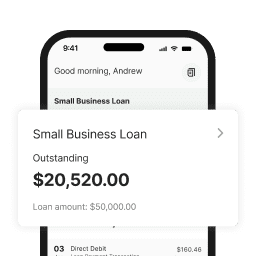
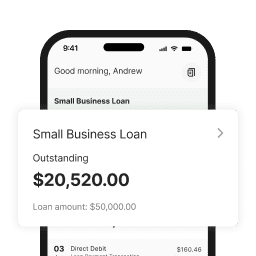
If you are planning your next stage of growth and want to talk through your options, a Prospa Business Loan could help bridge the gap.