
Payday pressure? Explore payroll funding options to bridge the gap. Compare payroll loans vs lines of credit and find the right solution to ensure your team is paid on time.
At a glance
- Payroll funding provides short-term capital to help bridge cash flow gaps and ensure staff are paid on time.
- Options range from lump-sum term loans for one-off needs to flexible lines of credit that act as an ongoing safety net.
- Choosing the right product depends on whether you need to solve an immediate emergency or manage regular seasonal fluctuations or irregular payments from customers.
Most Aussie small business owners know that while customer payments can be late, payday can’t be. You could have a record month of sales, yet if the money hasn’t landed in your account, cash can be tight, and wages still need to be covered.
Payroll funding can help. Whether you need a short-term boost or something more flexible, you can draw more regularly, it’s important to know what your options are.
Below, we compare payroll loans, emergency funding, and lines of credit side-by-side, helping you weigh up the costs and features to find the right fit for your cash flow.
What are payroll loans?
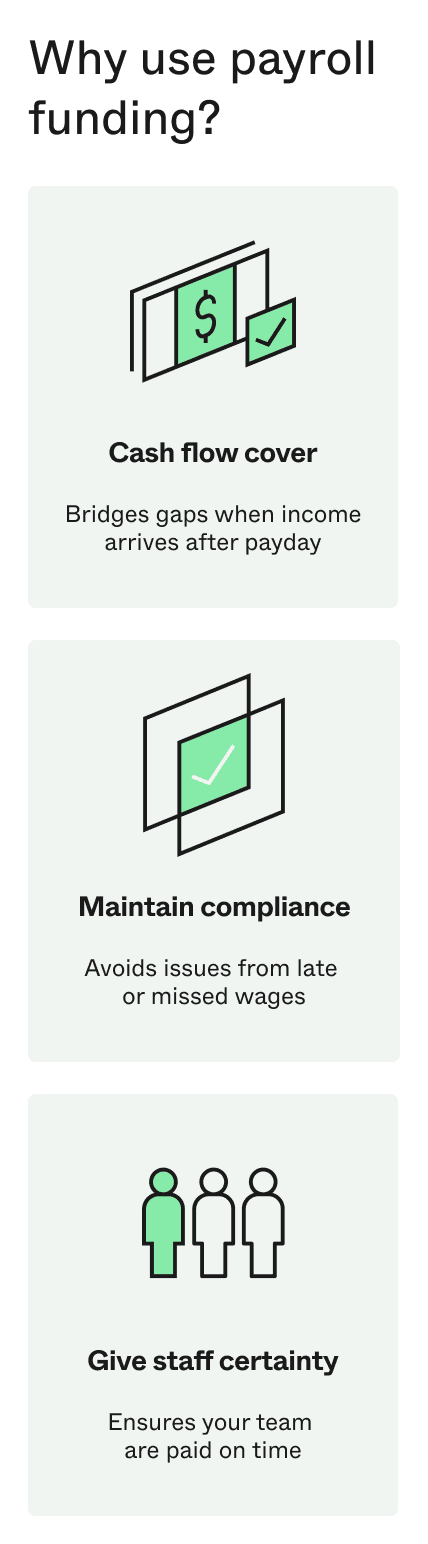
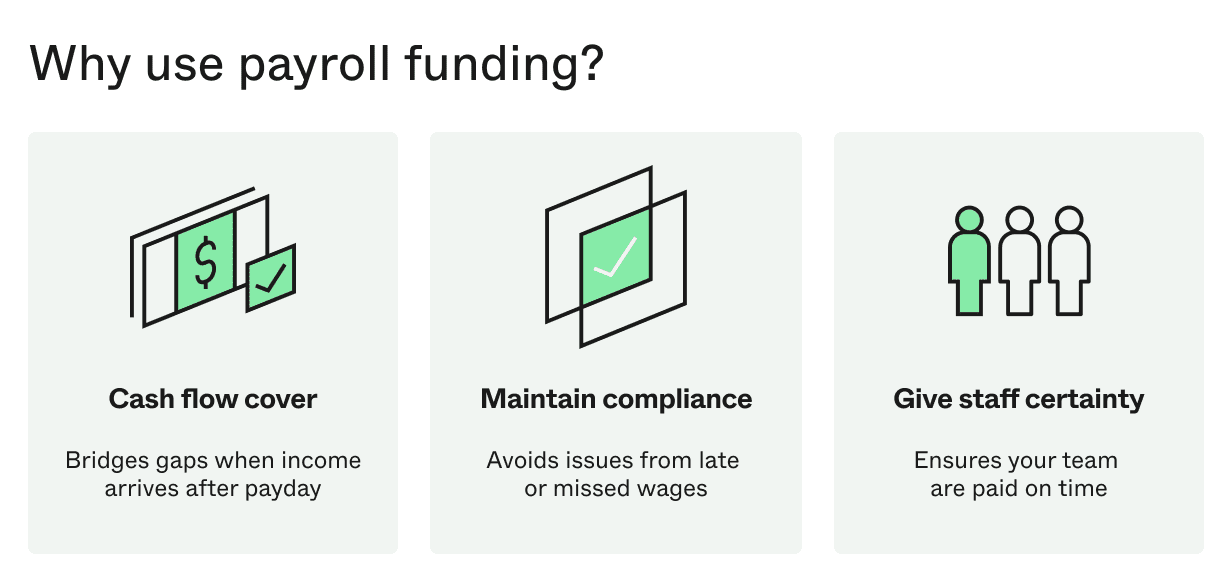
A payroll loan is perfect for those moments when the work is done, but the money hasn’t arrived yet. By giving you short-term access to funds, it can help you:
- Cover wage costs when customer payments are delayed
- Keep payroll and ATO obligations on track
- Give your team certainty, even when cash flow is under pressure
If you’re a contractor working on a large project with set milestone payments, the work may be underway long before the money arrives. For example, you might expect $60,000 in progress payments to be received in 30 days, but you have to cover $25,000 in wages this week. A payroll loan can help manage that timing gap without disrupting your operations.
Common payroll funding options
To keep staff paid during a cash crunch, most businesses rely on one of these three funding tools to cover shortfalls:
- Payroll loans: These suit situations where a cash gap is visible in advance. If you’re waiting on a large payment or staffing up for a busy period, a payroll loan provides a lump sum upfront to cover wages, with repayments set over a fixed term. That certainty can make it easier to plan ahead without last-minute pressure.
- Emergency loans: Sometimes, cash flow issues arrive without warning. A late or cancelled payment, or an unexpected expense, can put immediate pressure on payroll. Emergency loans can provide fast access to funds, often with approval and funding within 24 hours, so staff are paid on time.
- Lines of credit: For businesses with uneven or seasonal income, a line of credit offers flexibility. You’re approved for a limit and can draw funds only when needed, rather than taking out a new loan each time cash gets tight. It can act as a standing buffer when payroll timing is unpredictable.
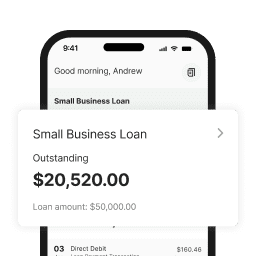
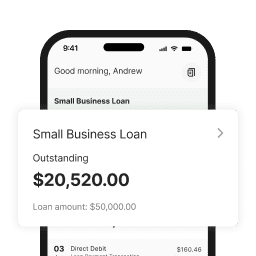
Fast access to funds isn’t limited to emergency products. Prospa offers quick decisions on both Small Business Loans and Lines of Credit, with funding often landing in your account the next day. You can apply online in under 10 minutes.
Comparing payroll loans vs lines of credit vs emergency loans
Finding the best payroll loans comes down to timing and frequency. Use the table below to see which option suits your situation.
| Type | Approval Speed | Duration | Best For | The Trade-off |
|---|---|---|---|---|
| Payroll Loan | Traditional banks can take weeks, while online lenders can be faster. | Fixed | Planned shortfalls such as waiting for a confirmed project payment. | Interest is charged on the full lump sum from day one. |
| Emergency Payroll Loan | Within 24 hours | Short-term | Unexpected situations like a major client defaulting just before payroll is due. | Often has higher rates or fees to reflect the urgency and risk. |
| Payroll Line of Credit | Instant access once approved | Flexible | Ongoing cash flow gaps, such as seasonal businesses or variable payment terms. | Requires discipline to ensure funds are used only for essentials. |
Recurring gaps usually call for flexibility, while one-off delays are often easier to manage with a fixed-term loan. What matters most is how seasonal your trading is and how reliably your customers pay.
Common payroll funding mistakes to avoid
Solving today’s payroll problem shouldn’t create next month’s cash flow crisis. Keep these common pitfalls in mind:
- Choosing high-interest emergency loans for ongoing needs: Using a more expensive loan every month to cover casual wages can quietly drain margins when a lower-rate line of credit would cost far less.
- Confusing lines of credit with lump-sum loans: Securing a $30,000 loan as a safety buffer means paying interest on the full amount, even if the funds sit untouched in your account.
- Underestimating repayment pressure: Covering Christmas payroll with a short-term loan can create cash strain in February when sales drop, but repayments continue.
- Using payroll funding for unrelated expenses: Buying a $15,000 espresso machine with payroll funding forces a long-term purchase into short-term repayments.
Keep payroll on schedule
Late wages don’t just affect staff. They put real pressure on your business as well.
Whether it’s a one-off Prospa Small Business Loan or a flexible Business Line of Credit, the right payroll funding can keep pay runs on track, even when cash flow isn’t.