
From late September, you have about 100 days left in the year. That is enough time to make real progress, but only if you use purposefully. The final stretch brings the holiday rush, end-of-year deadlines, and a chance to set your business up for a strong start to the new year.
At a glance
- Review your numbers and goals so you know what to focus on before 31 December.
- Get your cash flow, stock and team ready for the busiest weeks of the year.
- Plan ahead so you start January with clear direction.
The final 100 days of the year give small businesses a set period to review performance, prepare for seasonal demand and plan for the new year. The five priorities are assessing year-to-date results, forecasting cash flow, ordering stock, confirming staffing requirements and setting measurable goals for January.
Consider looking at completing the below before 31 December:
- Review year-to-date sales, expenses and outstanding invoices.
- Forecast the money coming in and going out over the next 100 days.
- Confirm stock requirements and supplier delivery dates.
- Finalise holiday staffing, leave and training arrangements.
- Set two or three measurable goals for the new year.
Review where your business stands now
Before you plan ahead, take a clear look at where things stand today. Pull together your key numbers for the year so far – sales, expenses, and any outstanding invoices. You do not need a complex spreadsheet. A simple summary of what has come in and what has gone out shows you where you stand.
Ask yourself a few honest questions. Are you on track to hit the goals you set in January? Have costs crept up in ways you did not expect? Do you have invoices still unpaid that you could chase down before year-end?
A cafe owner might notice that supplier costs have risen over winter and decide to renegotiate terms or switch one supplier before the busy season. A tradie might spot that a couple of large jobs are still unpaid and follow them up this week rather than waiting.
This step is about getting clear, not getting worried. Once you know your starting point, every other decision becomes easier.
Sort your cash flow before the holiday rush
The end of the year can put real pressure on cash flow. Customers may pay later than usual, suppliers may ask for earlier payment, and you may need to buy stock or pay staff ahead of your busiest weeks.
Start by mapping out what you expect to come in and go out over the next 100 days. Include regular costs like rent and wages, plus one-off costs like extra stock, marketing, or end-of-year bonuses. This helps you spot the weeks where money may be tight before they arrive.
A few practical steps can help. Send invoices as soon as a job is done, and follow up on overdue ones now rather than in December. Ask key suppliers about their payment terms over the holidays – some may close or change their cut-off dates. If you run a retail store, you might order your best-selling lines early to avoid stock arriving late.
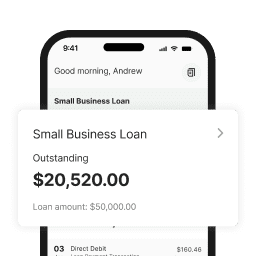
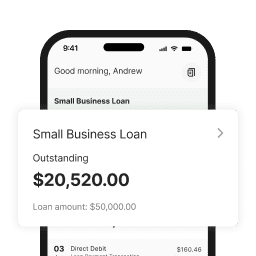
If a cash flow gap looks likely, it helps to know your options early. Fast, flexible funding like a business loan or business line of credit could help you cover the busy period without putting daily operations at risk.
Plan your stock for the busiest weeks
For many businesses, the weeks leading up to Christmas make up a large share of yearly sales. Getting your stock right can be the difference between a strong finish and a missed opportunity.
Look back at what sold well in the last year or quarter and what sat on the shelves. Use that to guide your orders, but build in some flexibility in case demand shifts. Talk to your suppliers now about delivery times, as freight can slow down in December.
For a retail store, this might mean ordering your top 10 products in larger quantities while keeping slower lines lean. For a hospitality business, it could mean planning your menu around ingredients you can rely on or that you know are in season, even if some deliveries run late.
Order too much, and you tie up cash in stock that may not sell. Order too little and you risk running out when demand is highest. The aim is to land somewhere in the middle, with a clear sense of what you need and when.
Lock in your team and roster early
Your people are what get you through the busy season. Planning your roster now gives you time to fill gaps before they become a problem.
Work out when you will need the most hands on deck. Think about extended trading hours, staff leave over the holidays, and any training new team members may need. If you need to hire casual or seasonal staff, starting early means you have time to train them before the rush begins.
A salon owner might roster extra staff for the two weeks before Christmas, when booking requests spike. A small warehouse might bring in an extra pair of hands to help with packing and dispatch during the busiest shipping window.
Talk to your team about their holiday plans now, so you can plan around leave rather than scrambling to cover shifts in December.
Set your goals for the new year
The final 100 days are not just about finishing this year well. They are also a chance to set up the next one. While you review your numbers and plans, take an hour to think about what you want to achieve in the new year.
Your goals do not need to be complicated. You might aim to grow sales by a set amount, launch a new product, open on a new day, or simply get your bookkeeping onto a more regular schedule. What matters is that your goals are clear, realistic, and written down.
A florist might plan to take on two more wedding bookings a month. A builder might target a certain number of quotes converted into jobs. Whatever your business, a clear target gives you something to work towards from the first week of January.
Make the most of the final stretch
The last 100 days of the year can feel like a sprint, but a little planning goes a long way. Review your numbers, get your cash flow ready, plan your stock and team, and set a few goals for the new year. Each step is small on its own, but together they can help you finish the year with confidence.
If cash flow is the thing standing between you and a strong finish, you do not have to work it out alone. A Prospa lending specialist can talk through your options and help you find what works for your business.