
Explore creative client Christmas gift ideas, including personalised, budget and last-minute options, plus simple guidance on tax and gifting etiquette.
At a glance
- Choosing the right client gifts requires a strategic approach, including checking for internal gift policies to avoid rejection and tailoring your choice to the client's industry and cultural background.
- To manage your end-of-year cash flow, tier your budget into VIP and community lists, and remember that "non-entertainment" gifts (like hampers or books) are tax-deductible, whereas event tickets are generally not.
- Whether you need a low-budget "local hero" treat, a premium desk upgrade, or a last-minute digital subscription, focus on storytelling, provenance, and utility to make a lasting impression.
December is often a blur of closing accounts, finalising projects, and managing the holiday rush. In the middle of this storm, buying Christmas gifts for clients often gets pushed to the bottom of the to-do list – and often, it never gets ticked off.
But a thoughtful gift is more than just a nice gesture. It is a tangible way to cement relationships, celebrate the successes of the year, and re-engage dormant clients. When done right, it is a high-ROI marketing activity that puts your business in the strongest position for the year ahead.
So, how do you do it right? And how do you ensure this task doesn’t get buried in the end-of-year chaos? In this guide, we tackle exactly that, covering budgeting tips, tax implications, and creative ideas for every budget and timeline.
The “rules” of client gifting
A bad gift is worse than no gift at all. If your gesture is generic, inappropriate, or – worst of all – breaches your client’s company policy, you have turned a relationship-building opportunity into an admin headache. Here is how to ensure your ‘thank you’ actually lands.
1. The “can they keep it?” check.
The most awkward gift is the one that has to be returned. Many organisations – particularly in government, finance, and large corporate sectors – have strict anti-bribery policies or gift caps (often around $50 or $100). If you are unsure, a quick check with your primary contact or their office manager before you buy can save you from an uncomfortable rejection.
2. Context is everything
A bottle of vintage wine is a generous gift, but it’s a wasted investment if your client is sober or participating in “Dry January.” Similarly, a heavy hamper of sugary treats might not land well with a health-conscious fitness brand. To avoid any oops moment, tailor the category to the client’s industry or office culture. A creative agency might appreciate limited-edition prints or design books, while a busy law firm might value premium coffee to fuel late nights.
3. Read the room (culturally)
Not everyone celebrates Christmas. If you manage a diverse client base, leaning too heavily on “Santa” themes or religious imagery can feel exclusionary rather than welcoming. Instead, aim for “End of Year” or “New Year” messaging. It’s universally relevant and keeps the focus on the business partnership and the exciting year ahead.
How to set a client gifting budget (and what you can claim)
Before you hit the shops, you need a game plan. Without one, it is easy to overspend on the wrong things or, worse, miss out on legitimate tax deductions because you bought the wrong type of gift.
1. How to set your budget
Many business owners make the mistake of setting a total figure first (e.g., “$1,000 for everyone”) and then trying to stretch it. This often leads to “spreading the butter too thin.”
A smarter approach is to build your budget up from your client list:
- Step 1: Export your client list.
- Step 2: Assign a tier to each client (see below).
- Step 3: Assign a “cost per head” to each tier.
- Step 4: Calculate the total.
If the final number hurts your December cash flow, don’t cut the VIPs. Instead, reduce the spend on the lower tiers or move some “Growth” clients to the “Community” list.
2. The tier system
You don’t need to spend the same amount on everyone. Segmenting your list ensures you invest in the relationships that drive your business.
- Tier 1: The VIPs (Top 10-20%). These are your revenue drivers or long-term partners. They warrant a personalised touch – Benchmark spend: $100 – $150+ per person
- Tier 2: The “Growth” list. Clients with high potential for next year. A mid-range, thoughtful gift keeps you top-of-mind – Benchmark spend: $50 – $100 per person
- Tier 3: The “Community” list. For everyone else, a consistent gesture shows you care without breaking the bank – Benchmark spend: $15 – $30 per person (e.g., a quality local treat or handwritten card).
3. The tax rules: entertainment vs. non-entertainment
The ATO doesn’t treat all gifts equally. For small businesses, the difference often comes down to one question: Is it entertainment?
- Non-entertainment gifts (The tax-friendly option): Physical items like hampers, bottles of wine, flowers, plants, or books are generally tax-deductible and you can claim the GST credits. The condition is that they must be genuine gifts, not a form of personal recreation.
- Entertainment gifts (The costly option): Tickets to a cricket match, a theatre show, or a movie voucher are usually classified as “entertainment.” In most cases, these are not tax-deductible and you cannot claim the GST.
Prospa Tip: Don’t get confused by the “$300 rule”.
You often hear about a “$300 limit” for gifts. It is important to know that this limit is mainly for employees (to avoid Fringe Benefits Tax). For clients, there is generally no specific dollar limit for tax deductibility, provided the gift is “non-entertainment” and reasonable for your business.
Low-budget gifting ideas (that don’t look cheap)
You don’t need a big budget to make an impact. In fact, a small gesture often outperforms a generic expensive gift because it feels more thoughtful and personalised.
1. The “local legend” treat
Skip the supermarket chocolate box. For the same price (approx. $15-$20), you can pick up a bag of high-end coffee beans from a local roaster (like Market Lane Coffee) or a box of pastries from the best bakery in your suburb. This works because it shows you are “in the know” about your local area and supports another small business, making the gift feel intentional rather than convenient.

2. The “client spotlight” (Zero cost)
If you have a following on LinkedIn, Instagram, or an email list, use it to promote your client. Write a dedicated post highlighting their business, their wins this year, or why you love working with them. For many small business owners, genuine public endorsement and exposure are more valuable than a bottle of wine.
3. The “office survival” stash
Most corporate gifts sit on the boss’s desk, but you can build goodwill with the whole team by sending a “3pm Survival Kit.” Think a large jar of retro lollies, a box of high-quality donuts, or a crate of cold brew coffee. It builds relationships with the gatekeepers and staff – not just the owner – and is fun, shareable, and memorable.

4. The “un-corporate” card
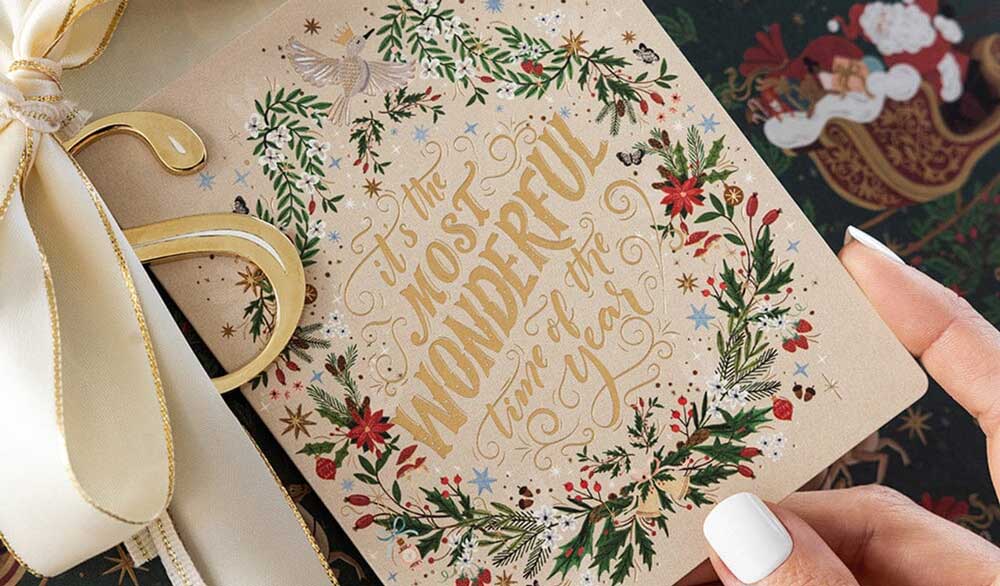
A handwritten card is standard advice, but execution is everything. Skip the branded bulk-print cards and pick up a high-quality blank card from a local artist or stationer (like Bespoke Letterpress). Then, write a message that references a specific conversation or win from the year.
Premium and personalised gift ideas
For your VIP clients, the ones who drove significant revenue or stood by you during tough times, you want a gift that stays on their desk. The trend this year is about longevity, provenance, and utility.
1. The “forever” desk upgrade
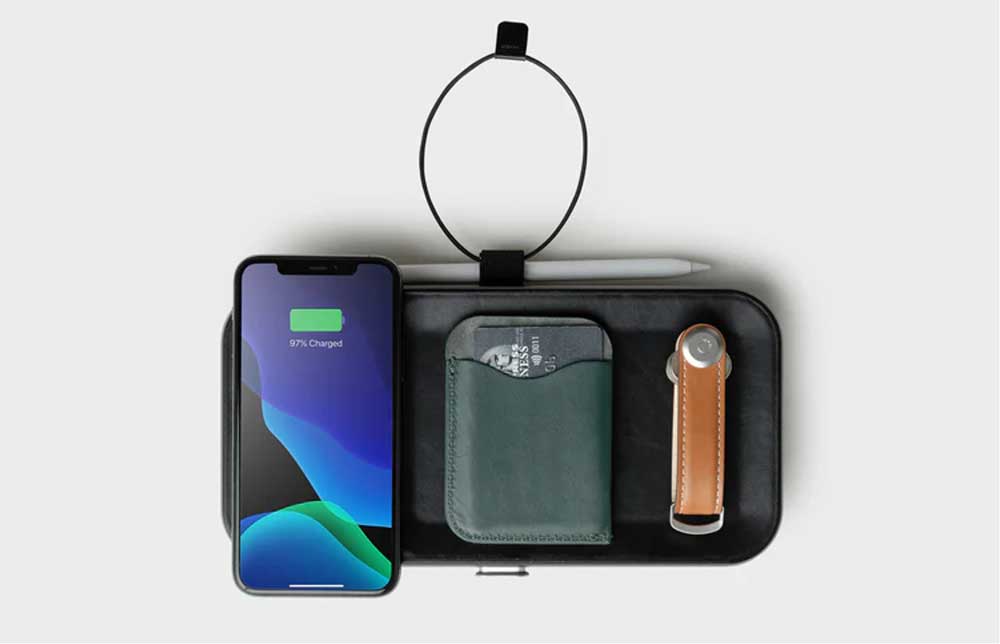
If you are spending $100+, avoid items that have a shelf life, and go for high-quality goods that improve their daily workflow. A perfect example is the Orbitkey Nest (approx. $110).
It’s a sleek, portable desk organiser with a built-in wireless charger – an Australian design that solves the universal problem of cable clutter. The beauty of this gift is its utility: every time your client charges their phone or grabs a pen, they see your gift on their desk.
2. The “top shelf” icon
With Australian distilling currently booming, gifting a “local hero” brand feels sophisticated and culturally relevant. Plus, gifts can tell a story.
The Lark Symphony No. 1 ($150) from Tasmania is a tale of harmony: it is Australia’s first “blended malt,” weaving together American oak, sherry, and port casks into a whisky that is complex but incredibly drinkable. The cult-favourite Four Pillars Bloody Shiraz Gin ($85) speaks to innovation: it began as a “crazy experiment” steeping whole Yarra Valley Shiraz grapes in gin, creating a totally new category of spirit that is now world-famous.

3. The “summer essentials” kit
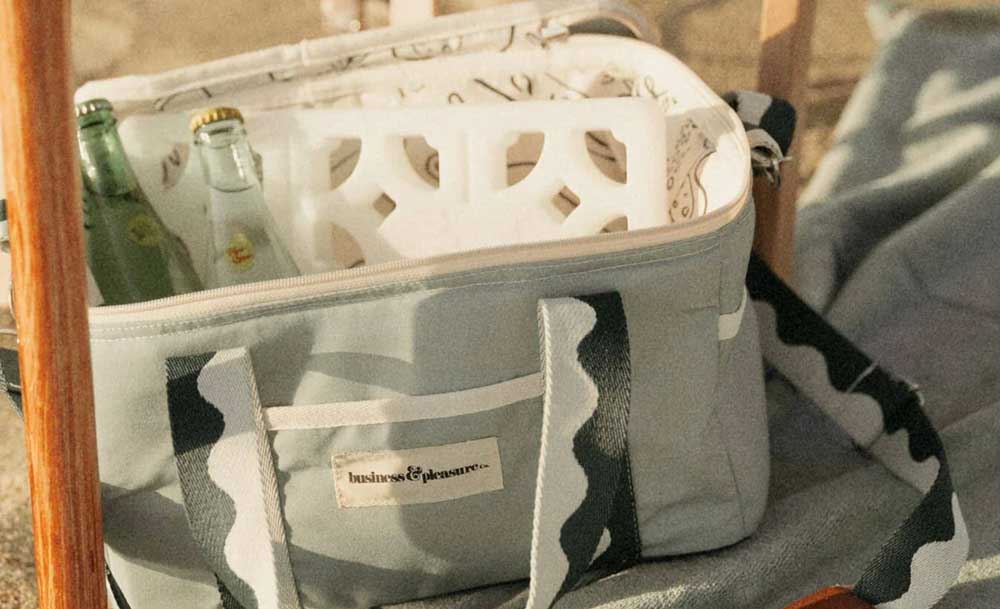
The traditional wicker hamper often ends up in the bin. A better alternative is to build your own “Summer Survival” pack using a Business & Pleasure Co. Premium Cooler Bag ($99).
Simply fill it with a few local craft beers (or premium sodas) and a jar of olives. Long after the drinks are gone, your client will be taking this bag to the beach, the park, or family BBQs, associating your brand with their downtime.
Last-minute gifts (that don’t look last minute)
Even if the end-of-year rush catches up with you, you can still send a gift that feels intentional rather than a “panic buy.” The secret is to choose digital gifts that offer high value and immediate utility.
-
The “growth” subscription
Instead of a generic Amazon voucher, gift a 6-month subscription to a platform that helps them upskill.
- Audible or Blinkist: Perfect for the busy founder who consumes books on the go.
- MasterClass: Gives them access to world-class instructors (e.g., negotiation with Chris Voss or strategy with Bob Iger). It feels premium and aspirational.
-
The charitable donation
If you have run out of shipping time, make a donation in your client’s name to a charity aligned with their values.
Prospa Tip: Don’t just send the receipt. Send a personal email explaining why you chose that charity (e.g., “I know you’re passionate about sustainability, so we’ve donated to [Charity Name] in your honour”). It turns a transaction into a connection.
-
The local courier drop
If you are in the same city, use a local same-day courier to deliver a fresh plant, a box of pastries, or a bottle of wine within hours. It gives you the impact of a physical gift without the unpredictable shipping delays typical of the holiday rush.
Final note
December is noisy. Your clients are flooded with emails, invoices, and generic hampers. The opportunity here is to cut through the clutter. By choosing a gift that has a story, you’ll be remembered for the right reasons and set the tone for the year ahead. So, check your list, set your budget, and send something that says: “I value our partnership.”